
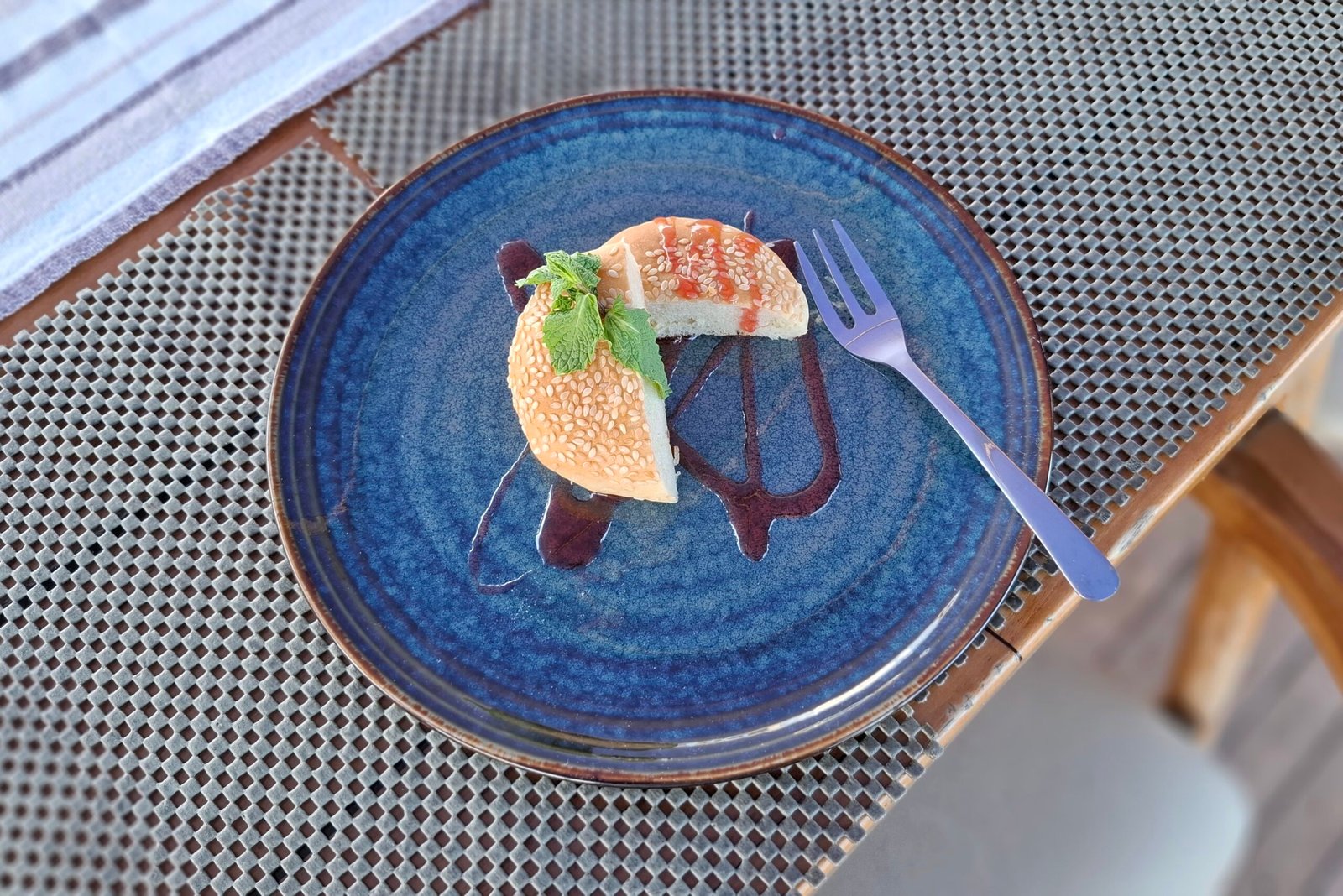
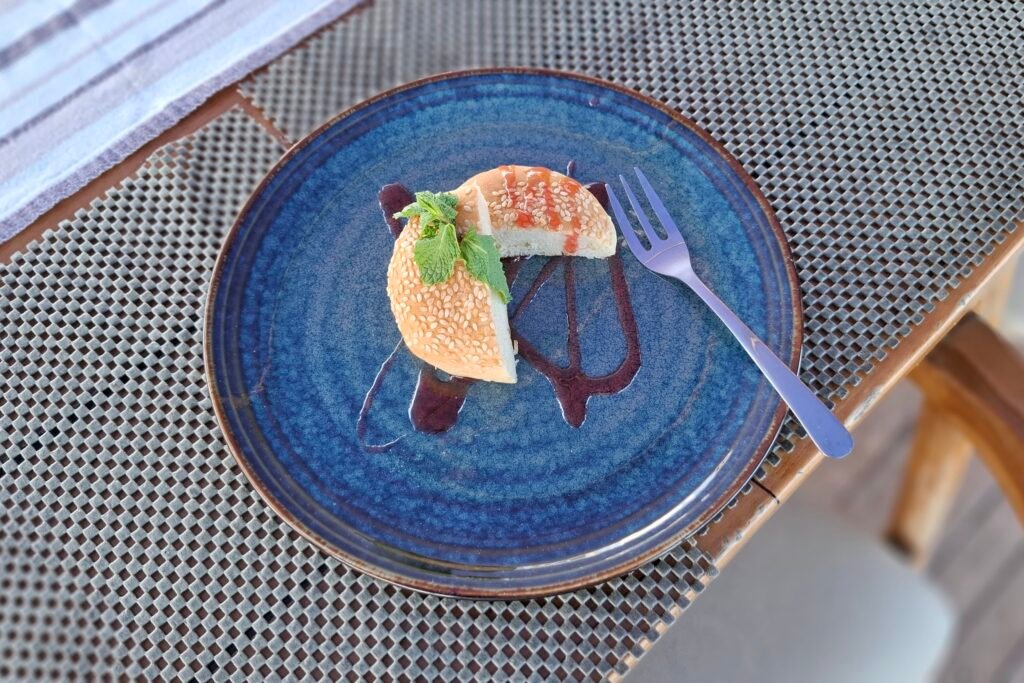
In the land of Manggarai, in western Flores, culture lives and breathes through the daily lives of its people. Traditional values are not confined to grand ceremonies or sacred rituals; they are woven into ordinary moments of everyday life. One such expression is kompiang, a traditional bread that may appear simple to outsiders, yet for the Manggarai people carries deep social and cultural meaning.
Kompiang is made from modest ingredients—wheat flour, yeast, sugar, and water—processed using traditional methods and baked until done. Its shape is round and flat, soft on the inside with a slightly dry outer layer. This simplicity reflects the Manggarai worldview: living sufficiently, without excess, yet full of meaning. Kompiang is not merely a source of nourishment, but part of the rhythm of life that is inseparable from togetherness.
The making of kompiang almost always involves more than one person. In villages, especially ahead of customary celebrations or family gatherings, women come together to knead the dough, prepare the hearth, and bake the kompiang collectively. Amid these activities, conversations flow—about family, fields, children, and village life. Through this process, kompiang becomes a social space where relationships are strengthened and a sense of community is nurtured. The values of dodo (togetherness) and kongkol (mutual cooperation) are vividly embodied in this simple practice.
Within the customary context, kompiang holds an inseparable place in many important rituals. It is present at traditional feasts, weddings, harvest thanksgiving ceremonies, and the welcoming of guests. Serving kompiang to visitors is not merely about offering food, but about expressing respect and openness. It symbolizes goodwill on the part of the host and acceptance of those who arrive. In Manggarai adat life, food is not only meant to be eaten; it is a medium for conveying social and moral messages.
Beyond ritual settings, kompiang faithfully accompanies everyday life. In the morning or late afternoon, it is often enjoyed with coffee or tea. These moments become opportunities for families to gather—sitting together, sharing stories, and strengthening bonds. In the quiet of the village or on the veranda of a simple home, kompiang bears witness to relationships between generations that continue to endure.
Amid the currents of modernization and the influx of contemporary foods, kompiang endures as a marker of Manggarai cultural identity. Its presence reminds the community, especially younger generations, of their cultural roots and ancestral values. Efforts to preserve kompiang—through home-based production, cultural events, or its introduction to visitors—are not merely about safeguarding a recipe, but about sustaining the social meanings embedded within it.
Thus, kompiang stands as a mirror of Manggarai life. It represents simplicity, togetherness, and the strength of social bonds within the community. To preserve kompiang is to care for collective memory and cultural values, ensuring they remain alive and relevant amid the changes of time.